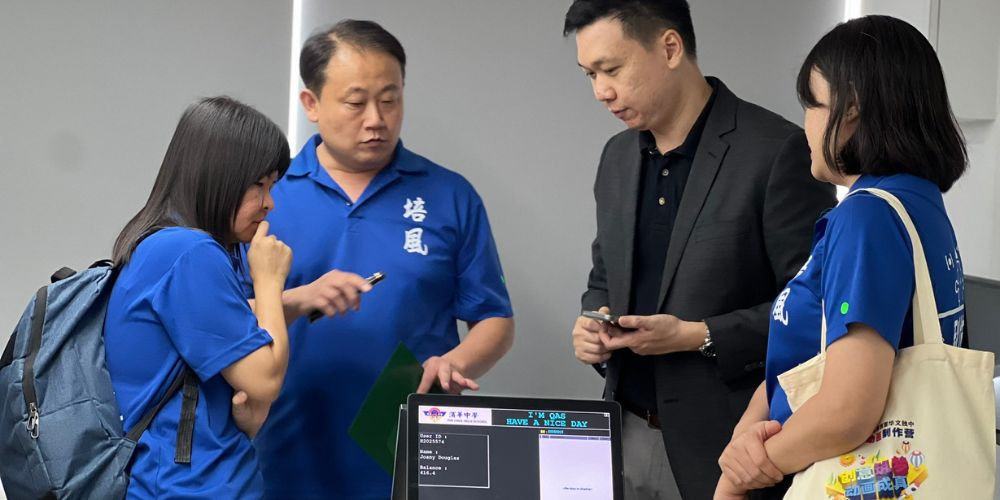
What does a smart school really look like? At Pin Hwa Independent High School, it goes beyond computers in classrooms. Its wider smart-school journey brings together AI learning labs, smart hostels, digital attendance tracking and school-wide administration, including the way students buy food during recess.
QubeApps is proud to be part of this journey. Together with Skribble Lab, we introduced a cashless canteen management system that connects contactless student payments, parent top-ups and reporting for school management. It is one practical part of Pin Hwa’s broader digital transformation.
Key Takeaways
- Students use contactless school cards to buy meals and drinks instead of carrying cash to the canteen.
- Parents can top up through a mobile app, monitor purchases, set daily spending limits and track usage in real time.
- School administrators can review sales, automated reports, student spending and stall or vendor performance through the backend dashboard.
- Schools considering a similar setup should review payment methods, parent controls, vendor reporting and implementation requirements before choosing a solution.
Table of Contents:
Say Goodbye to Cash, Hello to Convenience
At Pin Hwa, students use a contactless canteen card to pay for food and drinks. They tap the card at the counter, making everyday purchases simpler and reducing the need to carry cash or look for small change before school.
Parents can top up the card through a mobile app and manage how their child uses the available funds. The parent-facing features include:
- Monitoring what their child buys at the canteen.
- Setting daily spending limits to guide meal spending.
- Tracking spending and usage in real time.
These features make a cashless canteen system useful for more than checkout. Students gain a straightforward payment method, while parents have clearer visibility and control. Digital payments also help schools reduce everyday concerns about lost cash, unpaid meals and busy recess-time queues.
A Smarter System for School Management Too
For school administrators, the implementation goes beyond a contactless card. Pin Hwa’s school canteen management system includes a backend dashboard that brings canteen activity and records into one place. Through the dashboard, school management can:
- View canteen sales and check daily activity.
- Generate automated reports instead of relying entirely on manual tallying.
- Understand student spending habits through available records.
- Track stall or vendor performance, including activity across more than one food counter.
With digital records available in a few clicks, the team can spend less time handling paperwork and manual reconciliation. This supports accountability, gives administrators a clearer picture of operations and helps them make better-informed decisions, whether the canteen has one stall or several vendors.
Part of Malaysia’s First Full Smart School
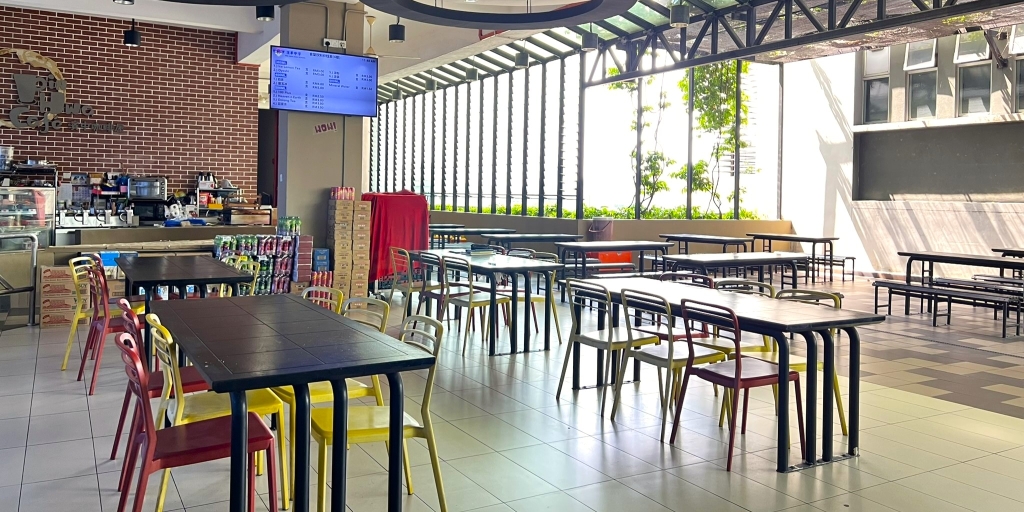
Pin Hwa is Malaysia’s first school to implement a complete smart-school ecosystem. The cashless canteen is one part of that larger initiative, alongside:
- AI learning labs that support future technology skills.
- Smart hostel management for student welfare.
- Digital attendance tracking for everyday school operations.
- School-wide administrative automation that connects more of the school experience.
Together, these improvements show how technology can make school life safer, more efficient and more connected for students, parents and staff. The canteen is a good example because it is used every day and often involves high volumes of small transactions within short breaks.
Why It Matters for Schools and Beyond
Digital transformation does not have to start with a huge overhaul. It can start with a high-use process such as paying for meals. Where operations still depend on cash handling, paper records or informal tracking, a digital canteen payment system offers a more organised way to record transactions and review activity.
At Pin Hwa, the cashless approach supports simpler student checkout and clearer management records. For other organisations, the needs may be different:
- Private, international, boarding or public schools may need student payments, parent visibility or meal subsidies.
- Colleges and universities may need payment access for students, staff and visitors.
- Hostel operators may need to manage meals, allowances and entitlements.
- Corporate HR and facilities teams may need staff cafeteria payments, spending visibility and reporting.
We can customise and scale the solution around operational needs, including reviewing how it will work with the organisation’s existing setup. The right approach depends on its users, payment channels, infrastructure and reporting requirements.
A school canteen system may start with accepting payments. A wider setup can also provide reporting, parent controls and vendor visibility. The goal is not simply to go cashless, but to bring more control and clarity to one of the busiest parts of an organisation.
What Other Schools Should Check Before Going Cashless
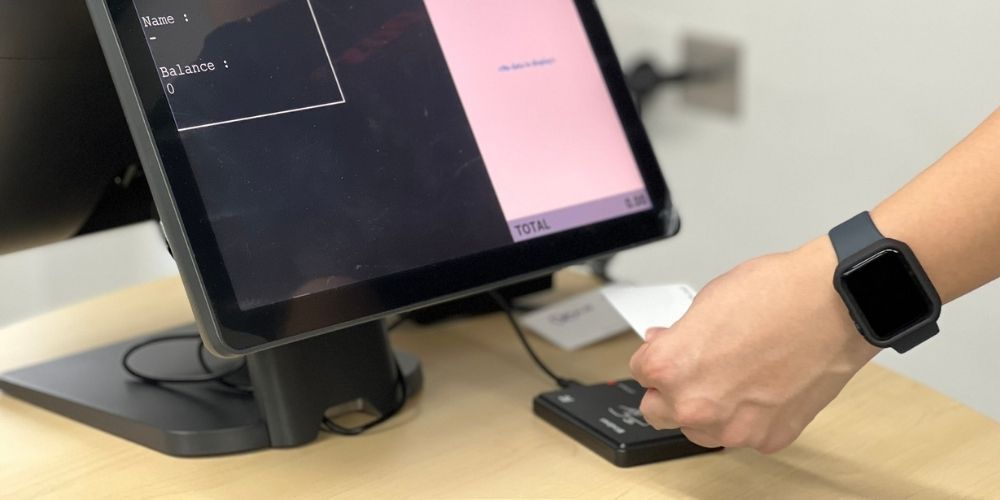
Pin Hwa offers a practical example, but each school should test its own requirements before rollout. When comparing school canteen payment systems, ask providers to demonstrate:
- Student checkout: How does a student make a normal purchase, and what happens if a card is forgotten or a payment fails?
- Parent top-ups and controls: Can parents add funds, monitor spending and apply the limits the school wants to offer?
- School reporting: Can administrators review sales, student activity and stall or vendor performance in the format they need?
- Implementation: How will devices, existing systems, training, connectivity and support work at the actual site?
If your school has multiple food vendors, explore our guide on cashless school canteens with several food stalls. For a broader explanation of payments, benefits and reporting, read our canteen management system guide. For changing over without disrupting students’ meals, see school canteen payment transition planning.
Let’s Build Smarter Schools and Workplaces Together
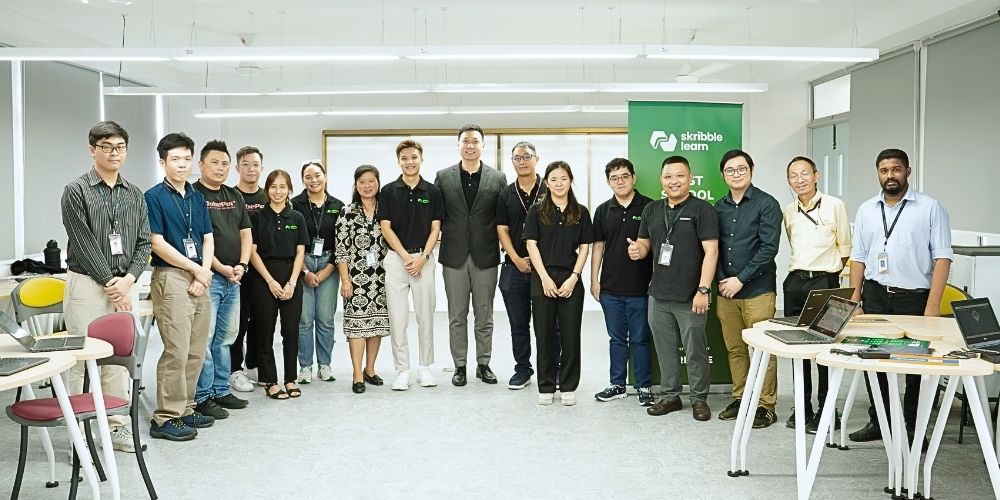
The Pin Hwa project shows how cashless payments, parent spending controls and digital reporting can support a more connected school environment. Schools and organisations considering a similar approach can explore a setup based on their payment methods, canteen operations and reporting requirements. Planning to improve your canteen operations? Contact QubeApps to discuss your requirements.