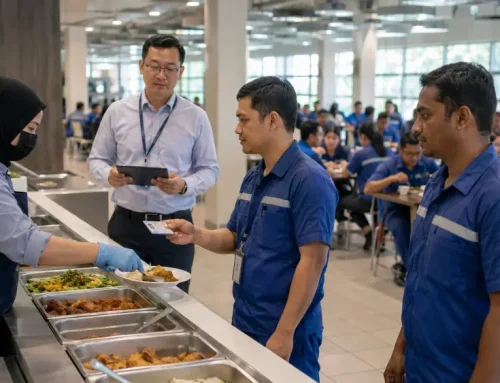
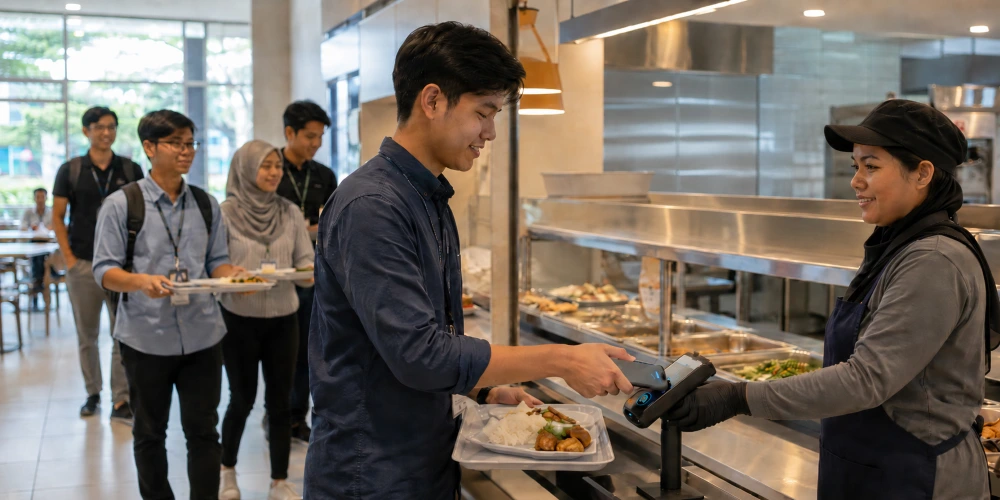
Most canteen management problems do not start as major operational issues. They often begin quietly at the counter.
One slow payment. One manual subsidy check. One missing record. One long queue during peak hour. One report that only reaches management after the problem has already happened.
When these issues happen repeatedly, they become more than just mealtime inconvenience.
Queues get longer. Break times become shorter. Cash reconciliation takes more time. Subsidy usage becomes harder to control. Food demand becomes less predictable. Administrators lose visibility. Users become frustrated. Management is left making decisions without clear, timely data.
For schools, factories, corporate offices, healthcare institutions and other organisations serving hundreds or thousands of users daily, this is where manual canteen management starts to become a risk, not just to service efficiency, but also to operational control. The longer these issues are managed manually, the harder they become to track, control and improve.
That is why more organisations are reviewing their canteen operations and moving towards a cashless canteen management system, not only to replace cash, but also to create faster transactions, clearer subsidy control, better reporting visibility and a smoother daily dining experience.
In Malaysia, this shift is also reflected in the wider digital economy. According to the Department of Statistics Malaysia, ICT and e-commerce contributed 23.4% to Malaysia’s economy in 2024, valued at RM451.3 billion.
For canteen operations, digitalisation does not only mean replacing cash with another payment method. It also means creating better visibility across payments, subsidies, reporting, ordering and daily service management.
A cashless canteen management system can help create a more organised, transparent and efficient canteen environment by improving payment flow, subsidy control, reporting, ordering and daily operational visibility. In a real implementation with Pin Hwa High School, QubeApps supported a cashless canteen management system setup that helped improve transaction convenience, reduce cash dependency and create better visibility for users and management.
Table of Contents:
Why Canteen Management Becomes Difficult as Organisations Grow
A small canteen may be manageable with cash payment, paper records and manual checking. However, when the canteen serves hundreds or thousands of users within fixed meal periods, manual processes can become harder to control.
Common situations include:
| Canteen Challenge | Common Impact |
|---|---|
| Long queues during peak hours | Users wait longer, meals are rushed, satisfaction drops |
| Manual cash handling | Payment slows down and reconciliation becomes harder |
| Manual subsidy tracking | Difficult to control entitlement, balance and usage |
| Limited reporting | Management has less visibility over spending and demand |
| Poor menu planning | Food preparation may not match actual demand |
| Manual redemption process | Staff or students may face delays during checkout |
These issues are often connected. For example, long queues in canteen operations may not only happen because there are too many people. They may happen because cash payment, manual entitlement checks, slow ordering and unclear redemption processes all happen at the same counter.
A better canteen process should not only focus on faster payment. It should also improve control, reporting and planning.
6 Common Canteen Management Problems
While every canteen operates differently, many schools, factories, corporate offices and institutions face similar operational issues as user volume grows. The most common problems usually fall into 6 areas:
Problem 1: Long Queues During Peak Hours
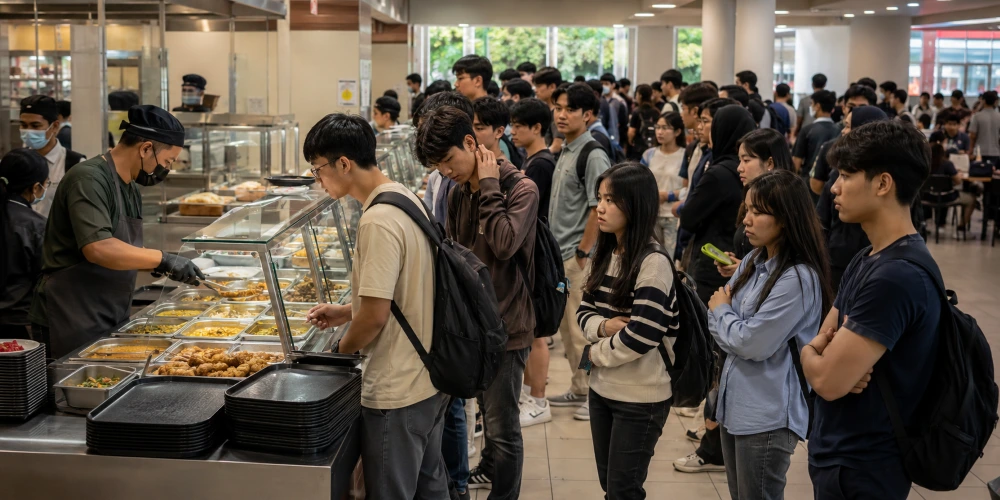
One of the most visible canteen management problems is queue congestion. This is especially common in schools, factories and offices where users take meals during fixed break times.
Long queues usually happen because:
- Users need to pay with cash.
- Staff need to check meal entitlement manually.
- Orders are placed only at the counter.
- The operator has limited visibility of peak demand.
- Users wait for payment, balance checking, receipt and food collection at the same time.
The impact can be bigger than inconvenience. In schools, students may have less time to eat. In factories, workers may return late from breaks. In corporate offices, lunch queues can reduce the quality of the workplace dining experience.
A cashless canteen system can help reduce checkout time by allowing users to pay through cards, app-based balance, or other supported cashless methods. When payment and balance deduction happen faster, the canteen can serve more users within a shorter period.
Problem 2: Cash Handling Slows Down Daily Operations
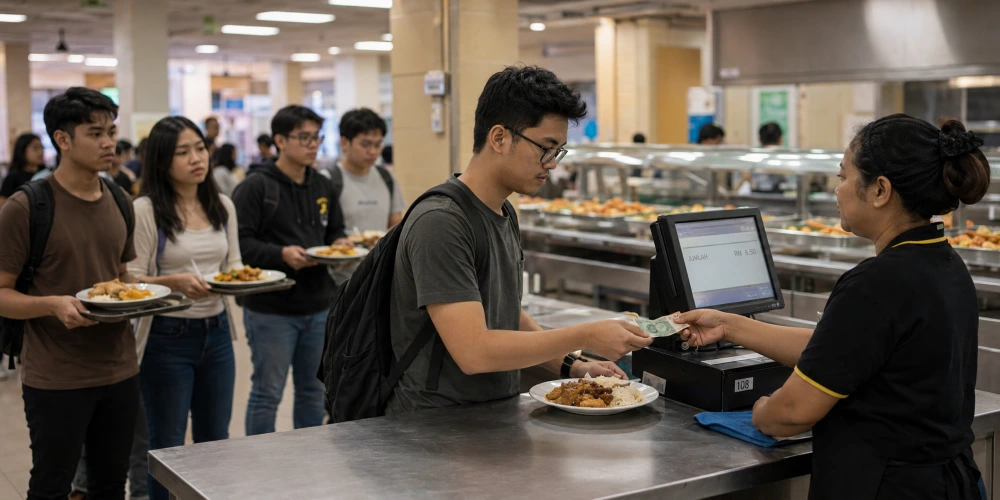
Cash is familiar, but it can create daily operational challenges. Manual payment collection takes time. Cash needs to be counted, checked, stored and reconciled. During busy periods, mistakes can happen more easily, especially when many users are paying at the same time.
For organisations, canteen cash handling can also create issues such as:
- Slower transactions
- Higher risk of counting errors
- Manual end-of-day reconciliation
- Less transparent transaction tracking
- Difficulty identifying spending patterns
- More workload for finance or admin teams
This is why many organisations are moving toward a more traceable canteen payment system. Instead of depending only on cash records, organisations can capture payment data digitally, making it easier to monitor usage, review transactions and reduce manual reconciliation work.
This shift is also supported by wider payment behaviour in Malaysia. Bank Negara Malaysia reported that e-payment transactions grew by 19% in 2024, reaching 409 transactions per capita. For canteen operators, this makes cashless transactions more familiar to users and more practical to introduce in daily operations.
For schools and institutions, cashless payment can reduce the need for students to carry physical money. For companies and factories, it can make staff meal transactions easier to track, manage and report.
Problem 3: Meal Subsidies Are Hard to Track Manually
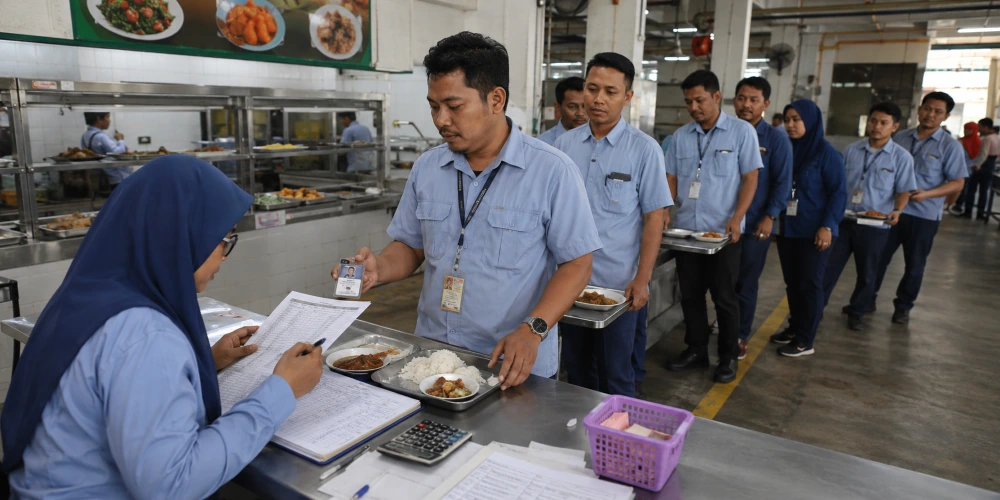
Many companies, factories and institutions provide meal subsidies or meal allowances. This is useful for employee welfare, but it becomes difficult to manage when the process is manual.
Without a proper meal subsidy system, organisations may face problems such as:
- Subsidy misuse
- Manual calculation errors
- Difficulty setting daily or monthly limits
- Unclear balance usage
- Time-consuming report preparation
- Limited visibility by staff, department or location
For example, a company may offer a fixed meal allowance per employee each day. If this is tracked manually, the admin team may need to check paper records, confirm eligibility, calculate spending and reconcile reports with the canteen operator.
A smarter system can help automate subsidy rules. Organisations can set daily or monthly limits, track usage, and review spending reports more efficiently. This is especially useful for company canteen management system and factory canteen management system use cases where many users are entitled to meal benefits.
Problem 4: Manual Reporting Limits Management Visibility
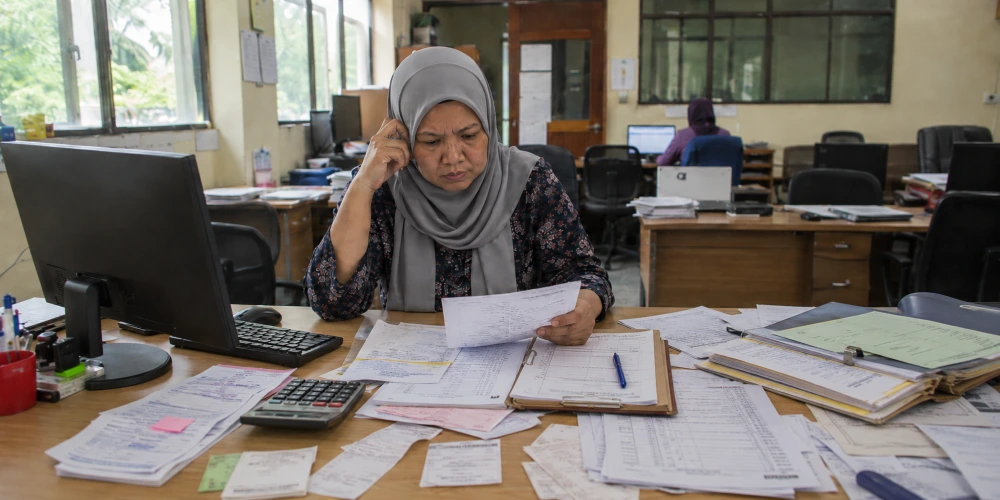
Another common issue in manual canteen management is poor reporting visibility. When canteen data is recorded manually, management may only receive basic sales totals or delayed reports.
This makes it harder to answer important questions such as:
- How many meals were served today?
- Which meal items are most popular?
- How much subsidy was used this month?
- Which department or user group has the highest usage?
- What are the peak transaction times?
- Are vendors or operators reporting accurately?
A canteen reporting system helps administrators, caterers and operators review canteen activity more clearly. Reports can support better decisions around staffing, menu planning, subsidy control and vendor performance.
For larger organisations with multiple departments or sites, reporting is not just a back-office function. It becomes an important part of operational control.
Problem 5: Menu Planning and Food Wastage Become Harder Without Data
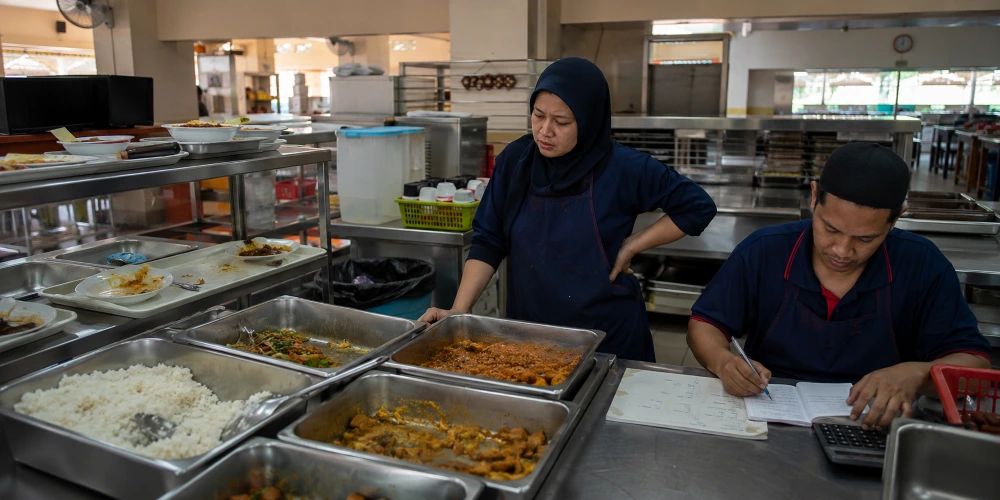
Food wastage is often caused by poor demand visibility. If operators do not know what users usually buy, when peak demand happens, or which meals are less popular, they may overprepare or underprepare food.
This can lead to:
- Excess food waste
- Higher food cost
- Poor user experience
- Repeated shortage of popular items
- Inefficient menu planning
- Difficulty forecasting demand
A canteen inventory management system or data-supported canteen process can help operators make better decisions. When transaction and meal demand data are available, the canteen can understand buying patterns more clearly.
This does not mean every organisation needs a complex inventory setup from day one. But as volume increases, data becomes more important for menu planning, stock control and waste reduction.
Problem 6: Ordering and Meal Redemption Can Become Messy
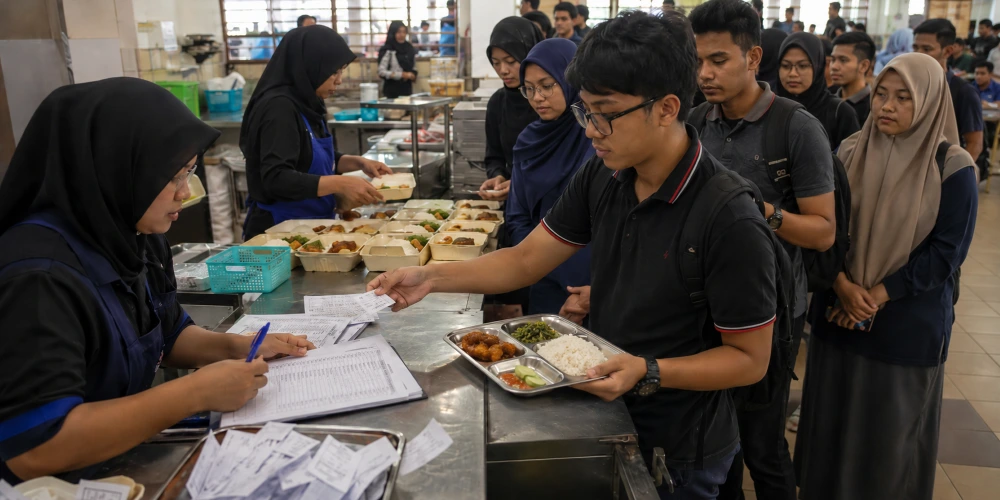
For canteens that serve fixed meals, subsidised meals or pre-selected meal options, the ordering and redemption process can become difficult to manage manually.
A canteen ordering system can help when users need to pre-order meals, redeem fixed meal counts, or use balance from a prepaid account. Instead of depending on paper slips, manual name lists or cash collection, users can complete transactions through a more structured flow.
This is useful for:
- Schools and universities
- Factories with scheduled meal breaks
- Corporate offices with staff meal programmes
- Healthcare institutions with controlled meal arrangements
- Organisations with caterers or multiple vendors
The goal is not only convenience. It is also about creating a reliable record of what was ordered, redeemed and consumed.
Facing similar canteen operation challenges?
If your organisation is dealing with long queues, cash handling issues, manual subsidy tracking, reporting gaps, or messy meal ordering and redemption, it may be time to review whether your current canteen process can still support daily operations.
Contact QubeApps to explore a more structured digital approach for your canteen.
Is a Basic Canteen POS System Enough?
A canteen POS system can be useful for processing orders, recording sales and managing checkout. For a small canteen with simple operations, a basic POS may be enough.
However, many organisations need more than sales recording.
| Basic Canteen POS | Cashless Canteen Management Approach |
|---|---|
| Records sales transactions | Tracks payment, balance, subsidy and usage |
| Focuses on counter checkout | Supports admin, user and operator visibility |
| Useful for simple payment | Useful for schools, factories, offices and institutions |
| May not manage meal subsidies | Can support subsidy rules and reporting |
| May not provide full user-level visibility | Can track transaction history and user spending |
| Mainly handles payment | Helps improve canteen management, control and planning |
This is why organisations should not only ask, “Do we need a POS?”
A better question is: “Can our current canteen process support payment control, subsidy tracking, reporting, meal redemption and user visibility as our organisation grows?”
If the answer is no, then a broader canteen management system may be more suitable.
How a Cashless Canteen Management System Helps
A cashless canteen management system helps organisations reduce manual work and improve daily canteen control. Instead of relying only on cash, paper records or manual checking, the canteen can use a more structured digital process.
Key benefits may include:
For users, this can mean faster payment, easier top-up, transaction history and a smoother meal experience. In some implementations, this can also be supported by a user-facing app. For example, the Skribble app can support features such as FPX or credit card top-up, meal pre-ordering, balance transfer between users, transaction and top-up history, and app lock or in-premise usage controls where applicable.
For administrators, it can mean better visibility over user spending, subsidy usage, vendor activity and daily operations.
For operators, it can support faster checkout, clearer redemption records and better sales reporting.
Where These Canteen Problems Commonly Happen
Canteen challenges can happen in many environments, but the operational needs may be different.
Real Example: Cashless Canteen Management System in Pin Hwa
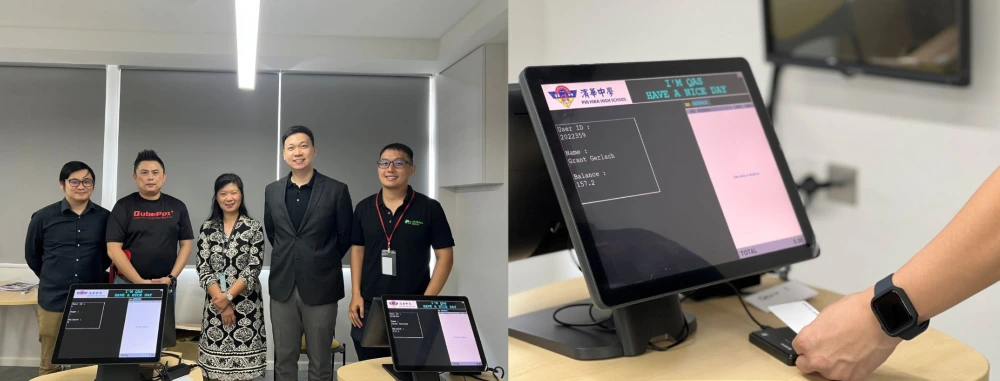
A practical example can be seen in QubeApps’ work with Skribble for the cashless canteen management system in Pin Hwa.
This implementation shows how digital canteen operations can support a smarter school environment by making canteen transactions more convenient, reducing cash dependency and improving visibility for users and management.
Read the case study here: https://qubeapps.com/cashless-canteen-management-system-in-pin-hwa/
This kind of real implementation matters because canteen digitalisation should not only sound good in theory. It needs to work in daily operations where students, staff, parents, administrators and operators all have different needs.
When Should Organisations Consider a Smarter Canteen Setup?
An organisation should consider moving beyond manual canteen processes when:
Organisations that want to move beyond manual canteen processes can explore a smart canteen management system designed to support cashless payments, subsidy control, reporting and daily operational visibility.
Frequently Asked Questions (FAQ)
Let’s Build a More Efficient Canteen Operation Together
Canteen management is not only about serving meals. It is about improving the daily experience for users, administrators, operators and management teams.
If your organisation is facing long queues, cash handling issues, manual subsidy tracking or limited reporting visibility, it may be time to review whether your current process can still support your operational needs.
QubeApps works with organisations to explore practical digital solutions that make canteen operations more structured, transparent and easier to manage.
Let’s build a smarter canteen experience together. Contact us today.