As enterprises expand, adding warehouses seems like a straightforward solution: serve more customers, reduce delivery times, and support growth.
But in practice, more warehouses often create new challenges. Stock moves between sites without clear tracking. Each warehouse develops slightly different ways of working. Reports arrive too late to act, and leadership struggles to see the full picture.
The issue is not the teams or the effort, but it is the lack of multi-warehouse visibility across the network.
When Growth Outpaces Control
Growth introduces complexity quickly. Each new warehouse adds staff, processes, and reporting requirements. Systems designed for a few sites suddenly feel inadequate.
Without warehouse network control, leadership manages each site separately. Small inefficiencies compound across locations, making decision-making slower and less reliable.
In enterprise supply chain operations, this gap can create blind spots, where stock, orders, and workload aren't fully visible, even though every site is reporting its "status."
Recognizing Common Challenges
Multi-site operations often meet the same practical issues:
- Stock transfers between warehouses create discrepancies.
- Inventory levels at one site do not match expectations at another.
- Each warehouse develops slightly different processes.
- Leadership receives information after problems occur.
Without a real-time inventory view, these challenges make planning reactive rather than proactive, slowing the network instead of supporting growth.
How Inconsistent Execution Affects Operations
Even with clear guidelines, warehouses adapt to their processes locally. One team might prioritize speed, another accuracy. Over time, these minor differences have grown.
The consequences include:
- Uneven performance between sites
- Difficulty comparing results or spotting trends
- Frustration for planners and managers
When warehouses run differently, it is hard to keep standardization or enforce effective warehouse network control, which is essential for smooth, predictable operations.
Transfers and Replenishment Gaps
Stock movement often exposes the limits of disconnected operations.
For example, inventory leaves Warehouse A but does not arrive at Warehouse B as expected. Replenishment plans become guesses, emergency transfers increase, and customer orders are delayed.
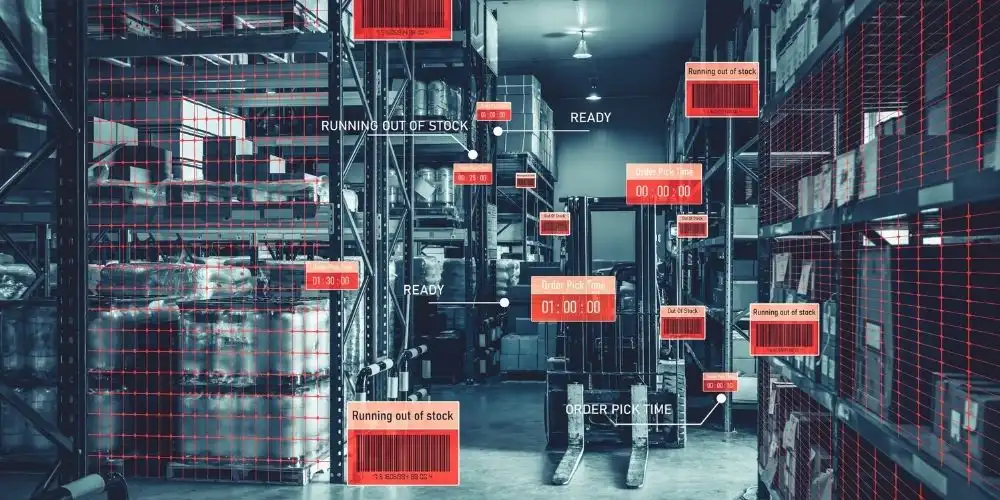
A reliable real-time inventory view reduces these gaps. When all warehouses are connected, planners can make informed decisions, balance stock efficiently, and reduce the risk of operational delays.

Why Reports and Dashboards Are Not Enough
Many enterprises rely on dashboards and reports to track performance. The problem is that dashboards often reflect data after the fact, and data may come from disconnected systems.
You can see numbers, but not day-to-day execution. Even if performance looks good on paper, the network may have unrecognized delays or inefficiencies.
A warehouse execution platform provides a sole source of truth, connecting all sites in real time, so decisions are based on what is happening, not assumptions.
Seeing the Network as a Whole
A unified execution view brings together all warehouses into one coherent picture. Leadership and operations teams can:
Track stock and workloads in real time.
- Compare performance consistently across sites.
- Spot issues before they affect customers or service.
With multi-warehouse visibility, the network becomes manageable. Operations are no longer siloed, and planners can focus on improving efficiency instead of just keeping up with problems.
Moving From Local Management to Network Control
Managing warehouses individually is no longer enough at scale. Successful enterprises focus on the network as a whole.
Warehouse network control allows leaders to:
- Balance inventory and workload across sites.
- Ensure processes are followed consistently.
- Make decisions with confidence based on live data.
By shifting local fixes to network thinking, enterprises make growth sustainable rather than risky.

Conclusion: Turning Scale into an Advantage
Adding warehouses does not have to create more problems. With a real-time inventory view and a warehouse execution platform, enterprises gain clarity across all sites and standardize processes.
True multi-warehouse visibility turns growth into an advantage, helping operations run smoothly and decisions to be made confidently.
To see how your warehouse network can achieve this, contact us and discover a solution designed for enterprise supply chain operations.